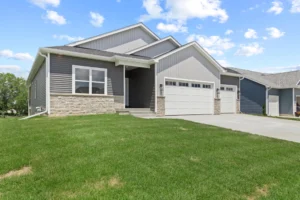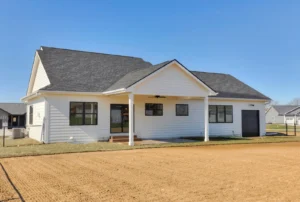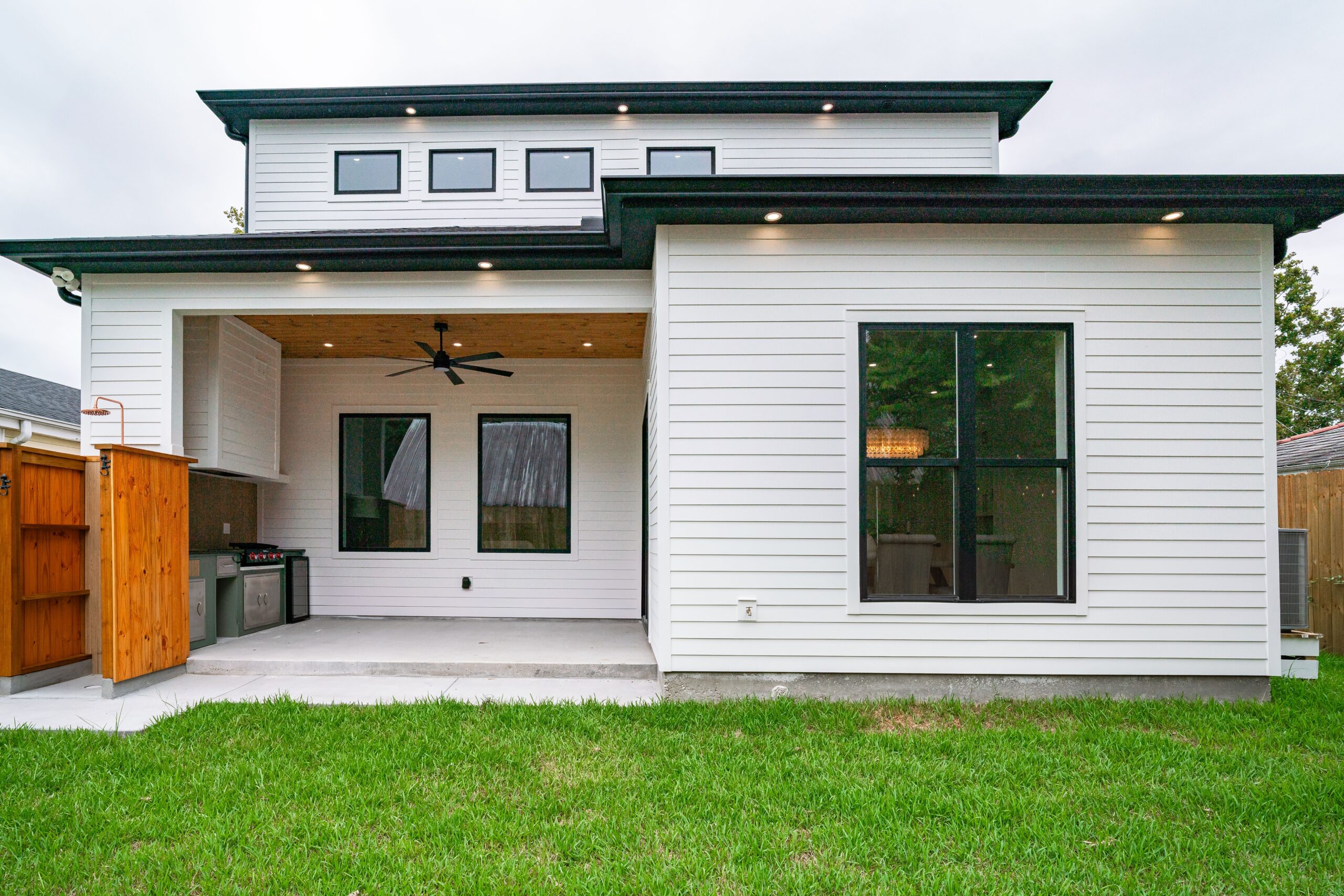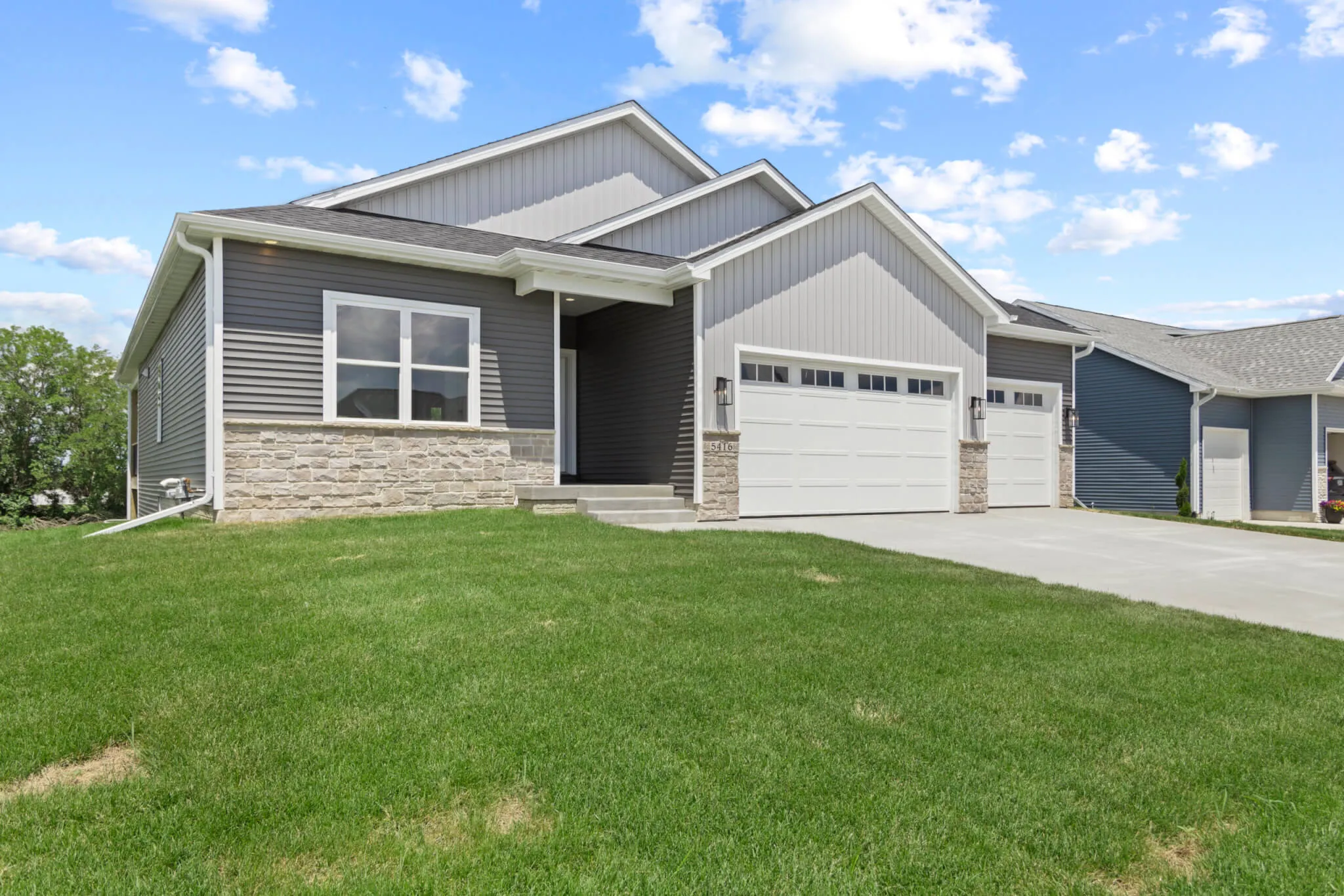

A spec home offers immediate move-in dates with proven craftsmanship, while a custom home gives you complete design control from day one. Spec homes (short for speculative) are move-in ready homes built by a builder before a buyer is identified, finished with high-quality selections the builder chose. Custom homes start from a blank page, designed specifically for your family's needs, lifestyle, and aesthetic preferences. The difference isn't about quality (both can be exceptionally well-built) but about timeline, personalization depth, and how you want to experience the building process.
Iowa
What Is a Spec Home?
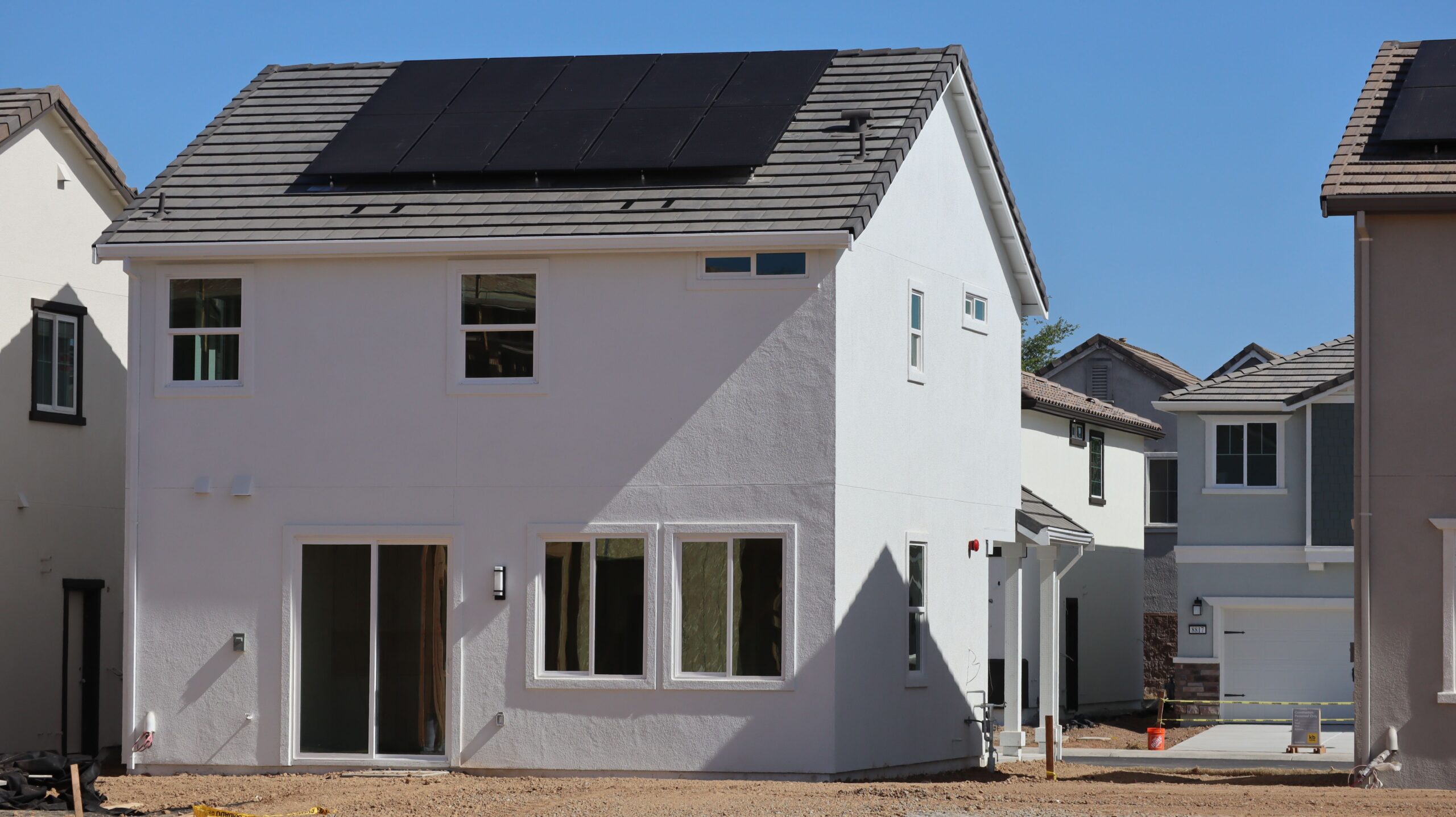
A spec home is a house a builder constructs without a specific buyer under contract. The builder selects the lot, creates the floor plan, chooses finishes, and completes construction before listing it for sale. You walk through a finished product, see exactly what you're getting, and close within weeks instead of waiting months for construction.
How Spec Homes Work
The builder assumes the upfront risk and investment. They design the home based on market research, current buyer preferences in areas like West Des Moines and Waukee, and their own expertise about what works in Central Iowa. Finishes are selected to appeal to a broad range of buyers while maintaining the builder's quality standards.
At Claman Custom Homes, our spec homes feature the same craftsmanship, materials, and attention to detail as our fully custom projects. We don't cut corners because there isn't a specific client watching every step. The same skilled subcontractors, the same fixed-price contract approach (adjusted for the as-built scope), and the same process-driven systems apply.
Benefits of Choosing a Spec Home
Immediate timeline: You can move in within 30-60 days instead of waiting 10-14 months for a custom build to complete.
No decision fatigue: Finishes, fixtures, and layouts are already selected. You avoid the hundreds of choices that come with a custom project.
Established neighborhood context: Spec homes are often built in developed neighborhoods in Des Moines, Ankeny, or Clive, where you can see the surrounding homes and community amenities before you commit.
Proven design: The floor plan has been tested and refined. You're not experimenting with an untested layout.
Simpler financing: Traditional mortgage financing applies. No construction loan complexity or draw schedules to manage (though Claman eliminates that burden on custom builds too via our construction financing approach).
Limitations of Spec Homes
You can't change the floor plan. The kitchen island stays where it is. The primary suite layout is final. If you've dreamed of a specific mudroom configuration or a home office with built-in bookshelves tailored to your collection, a spec home won't accommodate those requests after it's built.
Finish selections are locked. You might love 95% of the choices but wish the backsplash tile or cabinet hardware were different. Minor updates are possible post-purchase, but you're paying separately for changes and living through the disruption.
Lot and orientation are set. If you want your home to face a specific direction for morning light in the kitchen or a walkout basement that opens to wooded views, the spec home's lot may not align with that vision.
What Does a Custom Home Offer?
A custom home starts as a blank slate. You work with an in-house designer to create a floor plan shaped entirely around how your family lives. Every room, every closet, every window placement reflects your priorities.
The Custom Home Process
You begin with a discovery meeting where you share your vision, budget, must-haves, and nice-to-haves. Claman's in-house professional designer (not an order-taker pulling from a catalog) translates that into architectural drawings.
You review and refine the design through multiple iterations. Want the laundry on the second floor near bedrooms? Done. Need a dedicated remote work office with soundproofing and dedicated electrical circuits? Planned from the start. Prefer a wet bar in the walkout basement with sightlines to the backyard? It's drawn into the plans before the foundation is poured.
Once the design is finalized, Claman provides a fixed-price contract. The number you approve is the number you pay, absent changes you request mid-build. You're not exposed to cost-plus uncertainty or surprise change orders for standard scope items.
Construction takes 10-14 months depending on size and complexity. You have real-time access to project management software from your phone, direct communication with Jeff Claman and the team, and a pre-finish walkthrough to catch any details before final completion.
Benefits of Building Custom
Complete design control: The home is designed for your family's specific needs. Multi-generational suite for aging parents? Home theater with dedicated HVAC zoning? Chef's kitchen with a secondary prep sink? All planned from day one.
Lot flexibility: Build on your own lot in Polk City, Cambridge, or Norwalk. Choose acreage for privacy or a developed lot in Urbandale or Johnston for walkability. Orientation, views, and site features drive the design.
Material and finish selection: You select every finish. Tile, countertops, cabinetry, flooring, plumbing fixtures, lighting, hardware. If you have strong aesthetic preferences, custom is the only path that honors them fully.
Future-proofing: Design for how you'll live in 10 or 20 years. Wider doorways for accessibility. Main-floor primary suite. Structural prep for a future elevator. Electrical rough-in for EV charging or whole-home backup power.
No compromise: You're not settling for "close enough." Every detail aligns with your vision.
Trade-Offs of Custom Homes
Timeline: Plan for 10-14 months from contract signing to move-in. Pre-construction planning, permitting, and construction all take time. If you need to move within 90 days, custom isn't realistic.
Decision load: You'll make hundreds of selections. Some clients love this process. Others find it exhausting. Claman's in-house designer guides you, but the choices are ultimately yours.
Upfront planning investment: Custom requires more time in the design phase. You'll spend weeks refining floor plans, reviewing elevations, and walking through 3D renderings before construction starts.
Market timing: If you're selling your current home to fund the build, you're managing a longer transition period. Temporary housing or extended closing timelines may come into play.
Spec vs Custom: Key Differences Side by Side

Here's how the two paths compare on the factors that matter most to families in the Des Moines metro:
Timeline Comparison
- Spec home: 30-60 days from offer acceptance to move-in
- Custom home: 10-14 months from contract signing to move-in (includes design, permitting, and construction)
Design Flexibility
- Spec home: No floor plan changes. Limited or no finish changes. What you see is what you get.
- Custom home: Complete control over floor plan, exterior design, finishes, fixtures, and site-specific features.
Lot Selection
- Spec home: Lot and orientation are predetermined. You're buying the package as-is.
- Custom home: Build on your own lot or select from available lots. Site features, views, and orientation influence the design.
Financing Structure
- Spec home: Traditional mortgage. Single closing. Straightforward process.
- Custom home: Claman offers construction financing that eliminates the typical construction loan burden, but the process involves more coordination upfront.
Cost Predictability
- Spec home: List price is final (minus negotiation). No risk of scope changes or mid-build decisions affecting cost.
- Custom home: Fixed-price contract locks in the approved budget. Changes you request are priced transparently, but the baseline number doesn't shift due to market fluctuations or builder errors.
Which Path Fits Your Situation?
Your priorities, timeline, and decision-making style point toward the right answer.
You're a Strong Fit for a Spec Home If:
- You need to move within the next 60-90 days
- You value speed over customization
- The available spec home's floor plan works well for your family (even if it wasn't designed specifically for you)
- You trust the builder's finish selections and don't have strong aesthetic preferences that conflict
- You prefer to avoid the decision load of a custom build
- You want to see the finished product before you commit
You're a Strong Fit for a Custom Home If:
- You have 12+ months before you need to move in
- You have specific design requirements that off-the-plan homes don't satisfy (home office setup, multi-generational suite, accessibility features, entertaining spaces)
- You already own a lot or want control over lot selection and orientation
- You have strong aesthetic preferences and want to select every finish personally
- You enjoy the design process and want to be involved in creating the home
- You're building your forever home and want it tailored to how you'll live for the next 20+ years
The Hybrid Scenario: Custom Spec Homes
Some families discover a spec home under construction early enough that minor adjustments are still possible. If framing isn't complete, finish selections may still be flexible. If you find a spec project in the right neighborhood at the right time, ask whether any customization window remains. It's not common, but it bridges the gap for buyers who want some personalization without a full custom timeline.
Budget Considerations: Spec vs Custom
Both paths require significant investment, but the budget dynamics differ.
Spec Home Budgeting
The list price includes everything: lot, construction, finishes, landscaping, and builder profit. You know the total cost upfront. Financing is straightforward. Any upgrades you want post-purchase (different light fixtures, added built-ins) come out of pocket separately and aren't part of the mortgage.
Custom Home Budgeting
You establish a budget during the discovery phase. Claman's designer creates a plan that fits within that budget, selecting finish tiers that align with your priorities. The fixed-price contract means you're protected from cost overruns due to material price fluctuations, labor shortages, or builder estimating errors.
If you request changes mid-build (upgraded countertops, added square footage, a covered patio that wasn't in the original plan), those are priced transparently as change orders. You approve them before the work proceeds. The baseline contract price doesn't shift.
Custom homes in Claman's portfolio typically range from modest to high-value projects, depending on size, finishes, and site complexity. Spec homes fall within a similar range but cluster toward the middle of that spectrum.
Financing Differences
Spec home buyers use traditional mortgage financing. One loan, one closing, immediate occupancy.
Custom home buyers traditionally need a construction loan (short-term, higher-rate financing during the build) that converts to a permanent mortgage at completion. Claman eliminates that complexity with in-house construction financing. You're not managing draw schedules, inspections for lender release, or two separate closings. The process feels more like buying a spec home, even though construction hasn't started yet.
How to Decide: Questions to Ask Yourself
Walk through these questions with your spouse or family before reaching out to a builder:
-
What's your move-in deadline? If it's within 90 days, custom isn't realistic. If it's 12+ months out, custom is fully viable.
-
Do you have non-negotiable design requirements? (Specific room layouts, accessibility features, multi-generational space, home office setup.) If yes, custom is the only path that guarantees them.
-
How do you feel about making hundreds of decisions? Energized or exhausted by the thought? Your answer reveals whether you'll enjoy the custom process or find it burdensome.
-
Do you already own a lot? If so, custom is your only option. Spec homes come with predetermined lots.
-
What's more important: speed or personalization? There's no wrong answer, but it's a helpful clarity question.
-
Are you building your forever home or a 5-7 year home? Forever homes often justify the custom investment. Shorter-term homes may not.
-
Do the available spec homes in your target neighborhoods (West Des Moines, Waukee, Ankeny) align with your must-haves? If one checks 90% of your boxes, spec may be the smarter move.
Common Misconceptions About Spec and Custom Homes
"Spec Homes Are Lower Quality"
Not true, at least not with builders like Claman who maintain the same standards across all projects. A spec home built by a reputable builder uses the same subcontractors, materials, and processes as their custom homes. The difference is who made the design decisions, not the quality of execution.
"Custom Homes Always Cost More"
Not necessarily. Custom homes can be designed to a specific budget. A 2,200-square-foot custom home with mid-range finishes may cost the same as a 2,400-square-foot spec home with premium finishes. It depends on the scope and selections, not the custom-vs-spec label.
"You Can't Get a Mortgage on a Custom Home"
You can. The process differs from a spec home purchase, but qualified buyers secure financing for custom builds every month. Claman's construction financing model removes most of the traditional friction.
"Spec Homes Sit on the Market Because Something's Wrong"
Most spec homes sell quickly in strong markets like Des Moines. If a spec home has been listed for months, investigate why (location, price, or market timing), but don't assume it's defective. Often it's simply a timing mismatch between completion and buyer readiness.
Frequently Asked Questions
What does spec home mean exactly?
"Spec" is short for speculative, meaning the builder constructed the home speculatively without a buyer under contract. The builder assumes the financial risk and designs the home based on market demand and their expertise. You buy it as a finished product, similar to purchasing any resale home, but it's brand new and never occupied.
Can I make changes to a spec home before I buy it?
It depends on the construction stage. If the home is 100% complete, changes aren't realistic (you'd be paying for renovations after closing). If you discover the home early in construction (framing or earlier), the builder may accommodate finish changes or minor layout tweaks, though this is uncommon. Ask the builder directly about what's still flexible.
How long does it take to build a custom home in Iowa?
Plan for 10-14 months from contract signing to move-in for a typical custom home in the Des Moines area. Larger or more complex projects (5,000+ square feet, extensive site work, walkout basements with detailed grading) may extend that timeline. Permitting, weather, and material lead times all influence the schedule.
Is a custom home a better investment than a spec home?
Both appreciate based on location, market conditions, and build quality, not the custom-vs-spec distinction. A well-designed custom home tailored to broad buyer appeal (not hyper-personalized to niche tastes) can command a premium at resale. A spec home in a desirable neighborhood with strong finishes appreciates similarly. The better investment is the one in the better location with higher build quality, regardless of how it originated.
Ready to Explore Both Paths?
You don't have to choose between spec and custom in the abstract. Walk through available spec homes to see what's possible with move-in-ready options. Schedule a discovery call to discuss what a custom home designed for your family would look like, what the timeline would be, and how the fixed-price contract process works.
Claman Custom Homes has built in Central Iowa since 2004. We build 10-12 homes per year by design, which means every project (whether spec or custom) receives the same hands-on attention, transparent communication, and craftsmanship standards. Jeff Claman and the team walk you through the decision without pressure, because the right path depends on your timeline, priorities, and how you want to experience the process.
Talk to Jeff about whether spec or custom fits your goals. Call 515-423-2614 or visit contact us to start the conversation.